Mapping Swiss Regulatory Shifts to Poker App Design Choices and Tournament Incentives
Geschrieben von Ben Vogel · 6.11.2026
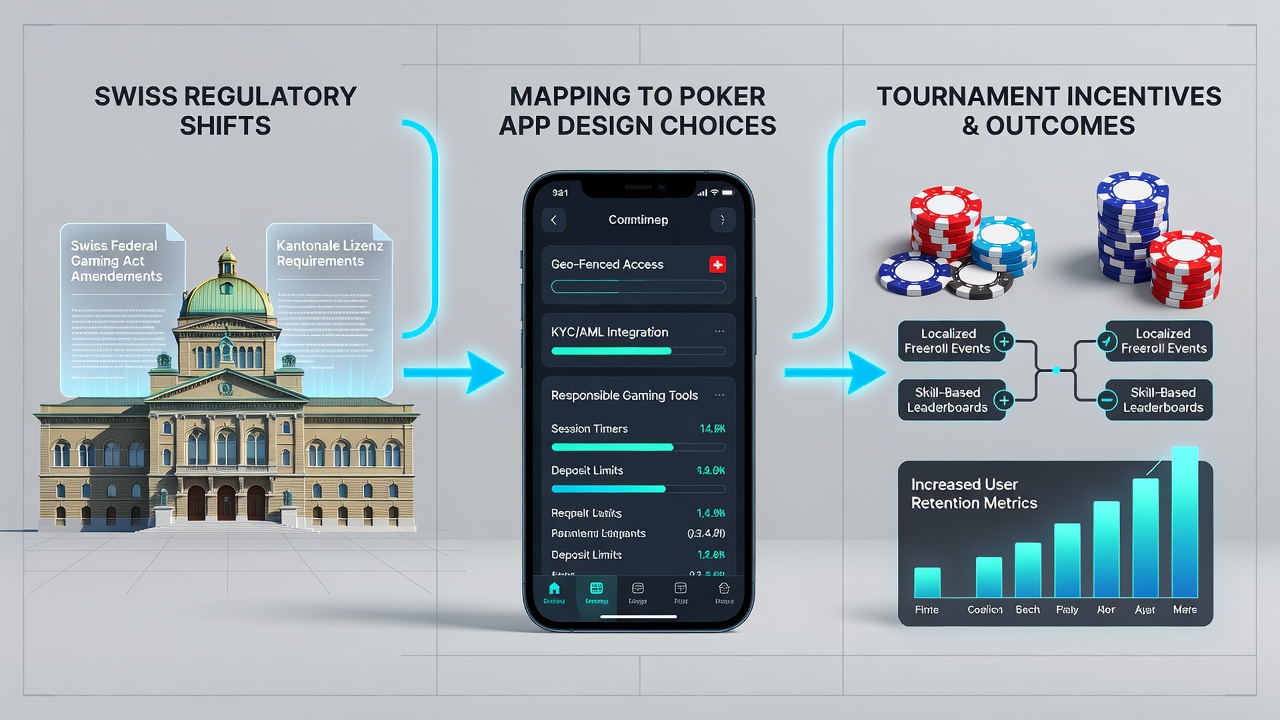
Mapping Swiss Regulatory Shifts to Poker App Design Choices and Tournament Incentives
Swiss cantonal authorities have adjusted licensing frameworks for online poker over recent years, and these adjustments have prompted developers to modify app architectures in specific ways that align with regional approval requirements while maintaining player engagement through structured tournament formats. Data from federal oversight bodies shows that variations in approval timelines across cantons influence the rollout schedules for features such as real-time verification tools and bonus allocation systems, which in turn shape how operators structure entry incentives for multi-table events.
Observers note that when a canton tightens rules on deposit limits or session tracking, app designers respond by integrating modular interfaces that allow quick toggles for compliance without disrupting core gameplay loops, and this approach has become common in platforms targeting multiple Swiss regions simultaneously. Tournament incentives often incorporate capped reward pools or adjusted payout structures to reflect these constraints, ensuring that promotional offers remain within permitted parameters across different jurisdictions.
Regulatory Adjustments and Their Direct Effects on App Architecture
Cantonal licensing processes require operators to demonstrate robust player protection mechanisms before launch, which leads developers to embed features like mandatory cooling-off periods and automated loss-limit calculators directly into the user flow from the initial design phase. Research indicates that platforms incorporating these elements early avoid repeated revisions during approval reviews, and this efficiency has accelerated deployment timelines for apps operating under multiple cantonal licenses. Tournament organizers adjust prize structures accordingly, often introducing tiered entry fees that correspond to verified player status levels to meet regional oversight standards.
What's interesting is how shifts in data reporting obligations have encouraged the use of backend analytics modules that feed directly into compliance dashboards, allowing operators to generate required reports without manual intervention while preserving seamless tournament registration experiences for users. Evidence from industry reports reveals that these integrations have reduced administrative overhead for operators managing events across cantons with differing transparency mandates.
Incentive Structures Tied to Compliance Features
Operators have adapted bonus systems to tie promotional credits to verified responsible gaming milestones, such as completion of self-assessment questionnaires, and this linkage appears in many Swiss-licensed apps as a direct response to updated cantonal guidelines on player incentives. Tournament schedules frequently include events where participation rewards scale based on adherence to session time limits, creating a framework where design choices around notification systems support both regulatory alignment and competitive play options.
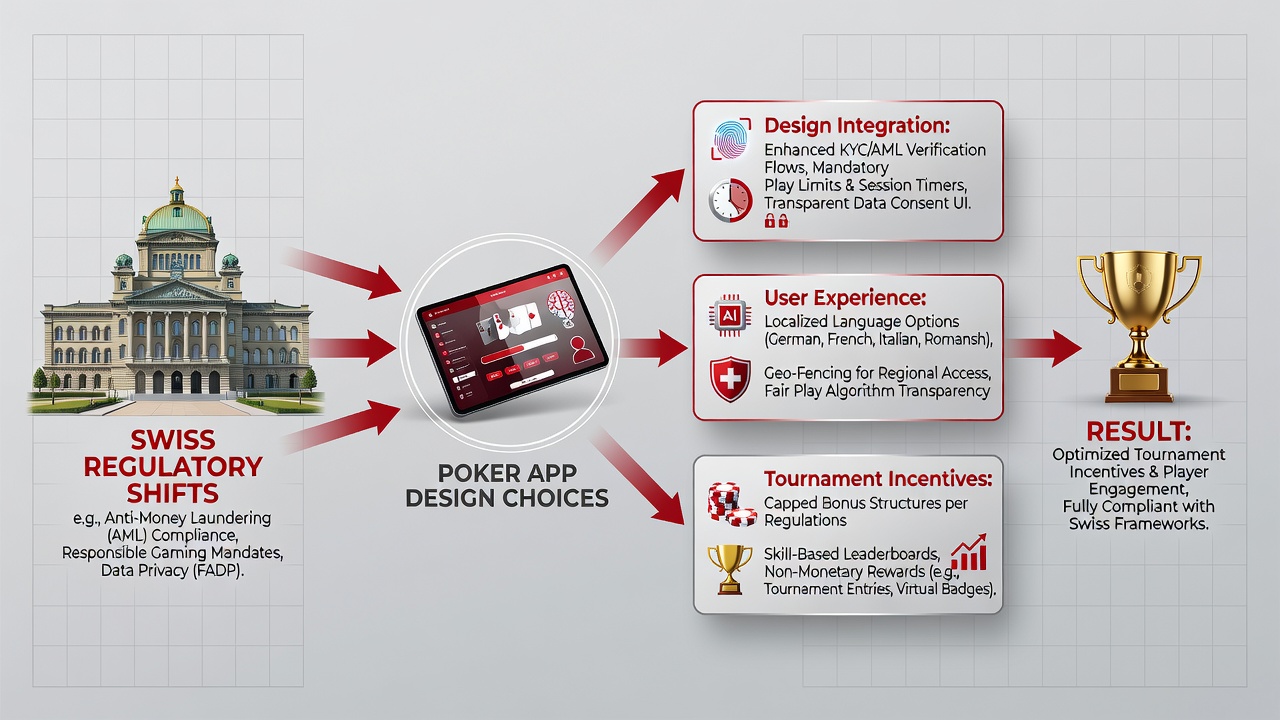
Those who track market patterns observe that apps emphasizing flexible UI elements for displaying regional rule variations tend to sustain higher retention rates during periods of regulatory transition, and November 2026 marks a point where several platforms anticipate synchronized updates to align with anticipated cantonal reviews on bonus mechanics. Developers have introduced dynamic tournament lobbies that highlight compliant incentive options, connecting users to events that incorporate built-in safeguards like automatic stake adjustments.
Studies from academic sources on European gambling markets show that such design adaptations correlate with stable participation levels even as rules evolve, because the underlying architecture prioritizes adaptability over rigid feature sets. Tournament incentives in this environment often rely on loyalty tiers that reflect cumulative compliant play rather than raw volume, which aligns with oversight priorities in multiple Swiss regions.
Design Patterns Emerging from Cross-Cantonal Coordination
Developers coordinate with licensing bodies in different cantons to standardize core elements like identity verification flows, yet they retain customization layers that accommodate local tournament formats and bonus eligibility criteria. This results in apps that present unified interfaces while routing users to region-specific event pools, and data shows that such routing improves conversion from casual play to structured competitions without violating individual cantonal restrictions.
But here's the thing: when one canton introduces new requirements around real-money transaction logging, adjacent regions often follow with similar expectations within months, prompting developers to build scalable logging systems that support rapid adaptation across the platform. Tournament operators respond by designing prize distributions that factor in these logging capabilities, ensuring all incentives remain traceable and auditable as per updated protocols.
Future Alignment and Platform Evolution
Platforms continue to refine their approaches as federal and cantonal bodies release periodic guidance on digital gambling tools, and this ongoing process drives incremental updates to both app design and tournament mechanics. Observers point to integrated responsible gaming portals within apps as a standard feature that supports compliance while facilitating access to competitive events with tailored incentives.
According to figures from the Swiss Federal Office of Justice, coordination efforts across cantons have led to more consistent standards for online poker operations, which in turn influences how developers prioritize feature development roadmaps. Tournament incentives evolve alongside these standards, often incorporating elements like progressive qualification paths that reward sustained compliance with platform safeguards.
Conclusion
Swiss regulatory shifts continue to map directly onto poker app design choices and tournament incentives through structured adaptations in verification systems, bonus frameworks, and event structures. Data from regulatory and industry sources demonstrates that operators achieve alignment by embedding flexible compliance modules early in development cycles, which supports consistent tournament offerings across cantons. As November 2026 approaches, platforms prepare further refinements to maintain this balance while meeting evolving oversight expectations in the Swiss digital market.